The Right Tree Service Company in Arizona: What to Look For
To find the right tree service company in Arizona, several important factors need to be considered. With the state's desert climate and common tree species like mesquite, palo verde, and citrus trees, property owners need professionals who understand local conditions. Whether you need routine maintenance, emergency removal, or treatment for diseased trees, selecting a qualified company helps keep your landscape healthy and your property safe.
Key Takeaways
- Verify licensing, insurance, and certifications before hiring any tree service provider
- Choose companies with Arizona experience and knowledge of local tree species
- Get detailed written estimates that include specific services, timelines, and cleanup procedures
- Check that the company follows safety protocols and uses proper equipment
- Look for businesses that offer multiple services beyond basic trimming and removal
- Review references and online feedback to evaluate the company's reputation and work quality
Understanding Arizona's Tree Care Requirements
Arizona's desert environment creates specific conditions that affect tree care throughout the year. Temperature extremes can reach over 120 degrees Fahrenheit in summer, creating stress conditions that affect when and how tree work should be performed.
Common Arizona trees have different care needs based on their adaptation to desert conditions:
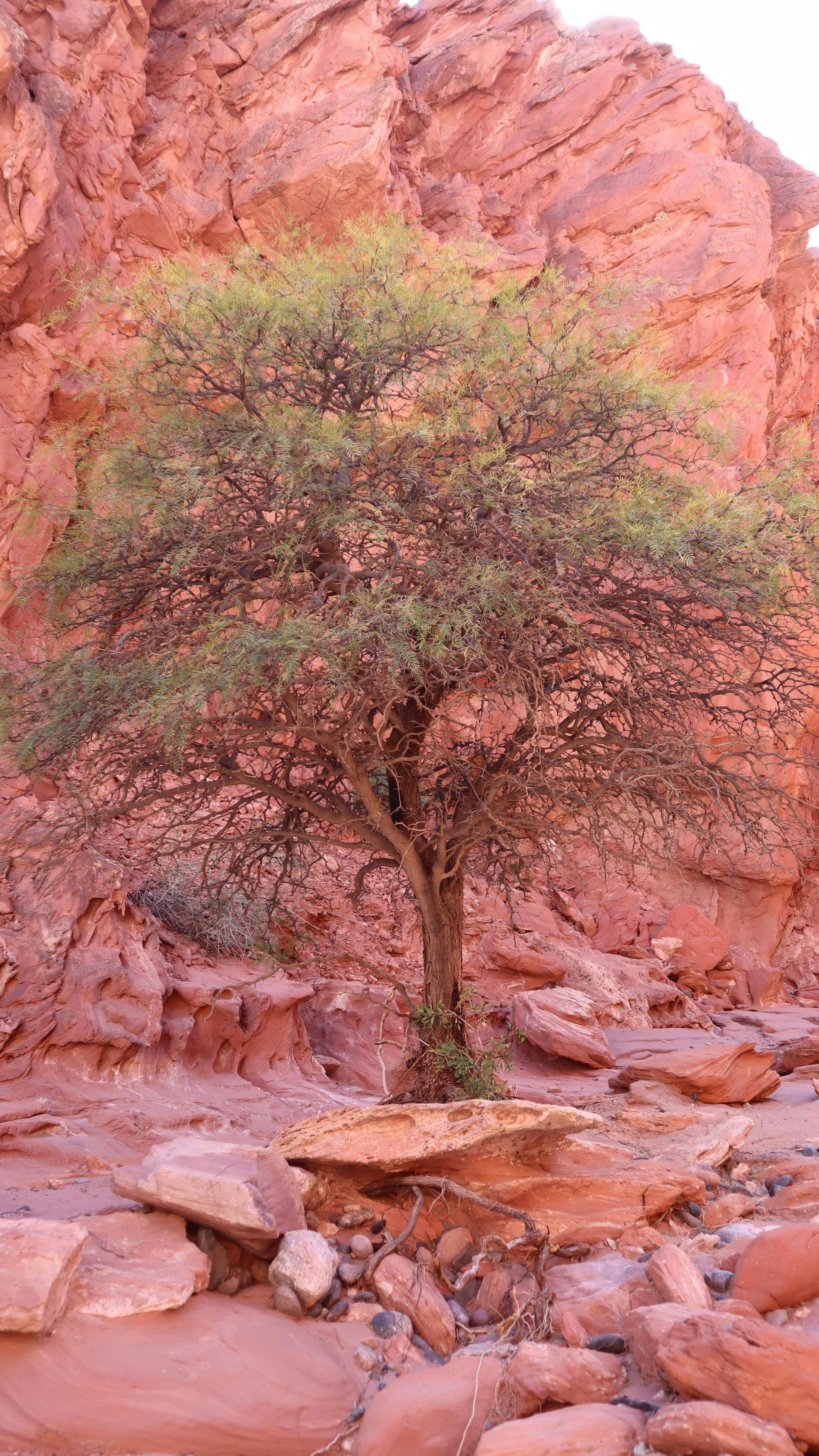
- Native species - Mesquite, ironwood, palo verde, and desert willow have evolved to handle extreme conditions, but still require proper care techniques
- Citrus trees - Grapefruit, orange, lemon, and lime trees need specific pruning timing, frost protection, and irrigation management
- Palm trees - Date palms, fan palms, and other varieties require specialized knowledge for proper frond removal and nutrient management
- Ornamental trees - Non-native landscape trees often need extra protection from heat stress and proper watering schedules
- Shade trees - Established trees like ash, elm, and oak provide valuable cooling but need regular maintenance to prevent storm damage
Timing becomes critical in Arizona's climate. Summer pruning can severely stress trees when they're already struggling with heat, potentially leading to sunscald or pest problems. Winter work may be ideal for many species, but timing must account for potential frost damage to fresh cuts.
Water management significantly affects tree health in Arizona's arid environment. Many tree problems stem from either overwatering or underwatering, both of which can lead to root problems and increased susceptibility to pests and diseases. Experienced Arizona tree service companies understand these irrigation challenges and can provide species-specific guidance.
Soil conditions in Arizona often present additional challenges. Caliche layers, high pH soils, and poor drainage can affect tree health and growth patterns. Professional tree care providers should understand these local soil issues and how they impact different tree species.
Required Credentials and Certifications
Before hiring any tree service company, thoroughly verify their credentials and certifications. Licensed contractors in Arizona must carry proper business licenses, and reputable tree service providers should hold relevant industry certifications.
Important certifications and licenses to verify:
- International Society of Arboriculture (ISA) certified arborists on staff
- Arizona Registrar of Contractors license for appropriate classifications
- City and county business licenses for your specific location
- Specialized permits for tree work in protected areas or historic districts
- Workers' compensation coverage for all employees
- General liability insurance with adequate coverage limits
The ISA certification program requires arborists to pass comprehensive examinations covering tree biology, proper pruning techniques, disease identification, soil science, and safety procedures. Certified arborists must also complete continuing education requirements to maintain their credentials.
Insurance coverage protects both you and the company from potential liability issues. Tree work involves significant risks, including property damage from falling branches, equipment accidents, and worker injuries. Request current certificates of insurance and verify coverage amounts are adequate for the work being performed.
Workers' compensation coverage is required by law in Arizona for companies with employees. This protection covers medical expenses and lost wages if workers are injured on your property. Companies that claim their workers are independent contractors to avoid carrying workers' compensation may be violating state labor laws.
Available Services and Specializations
Quality tree service companies offer comprehensive services that go beyond basic trimming and removal. When evaluating potential providers, consider the full range of services they offer and their demonstrated experience with different types of tree care work.
Tree health and maintenance services:
- Disease diagnosis and treatment programs using approved methods
- Integrated pest management programs that minimize environmental impact
- Soil testing and analysis to identify nutrient deficiencies or pH problems
- Root zone care including soil decompaction and root pruning
- Regular health monitoring and maintenance scheduling
- Fertilization programs tailored to specific tree species and soil conditions
Professional pruning and maintenance work:
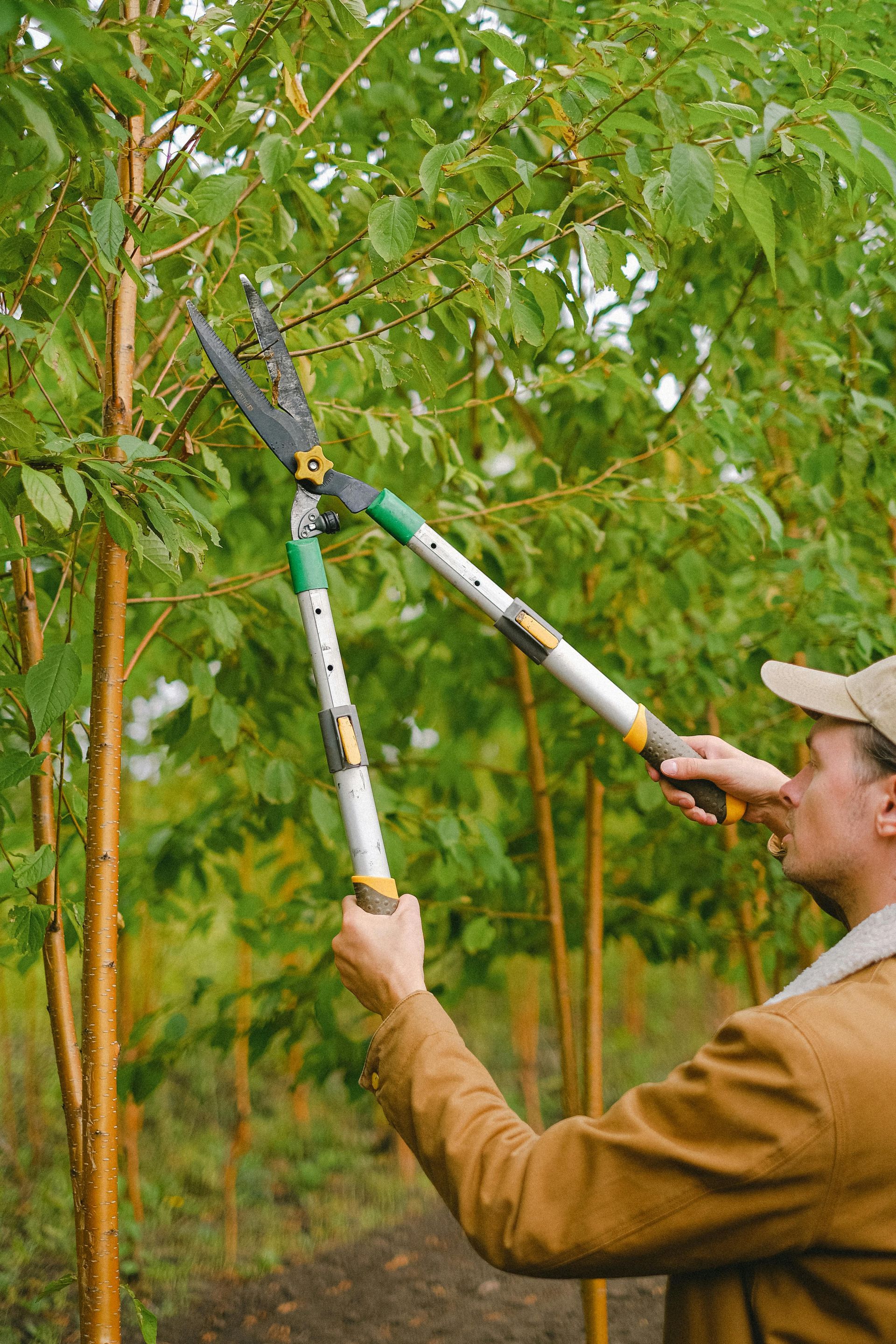
- Crown cleaning to remove dead, dying, and structurally weak branches
- Structural pruning for young trees to develop strong branch architecture
- Canopy thinning to improve air circulation and reduce wind resistance
- Clearance pruning for buildings, power lines, and pedestrian areas
- Specialized pruning techniques for fruit trees to maximize production
- Palm maintenance, including proper frond removal and seed stalk cutting
Emergency response and removal services:
- Emergency response for storm damage and fallen trees
- Hazardous tree assessment and safe removal procedures
- Professional stump grinding and root system removal
- Emergency stabilization and cabling for damaged trees
- Property clearing services for construction and development projects
- Debris removal and disposal following local regulations
Companies specializing in western tree care and western tree management often have additional expertise with desert-adapted species and drought-tolerant landscaping. This specialized knowledge becomes particularly valuable when planning new plantings or managing existing mature trees in water-conscious landscapes.
Many quality providers also offer consultation services, helping property owners develop long-term tree care plans that consider growth patterns, maintenance requirements, potential hazards, and landscape goals.
| Service Type | Typical Frequency | Best Timing in Arizona |
|---|---|---|
| General Pruning | Every 2-3 years | Fall/Winter |
| Palm Maintenance | Annually | Spring |
| Citrus Pruning | Annually | Late Winter |
| Health Inspections | Annually | Spring |
| Emergency Response | As needed | Any time |
Safety Standards and Equipment Requirements
Professional tree service companies prioritize safety through proper equipment, comprehensive training, and established work procedures. When evaluating potential contractors, ask specific questions about their safety protocols and observe their equipment during initial consultations.
Standard safety equipment and procedures should include:
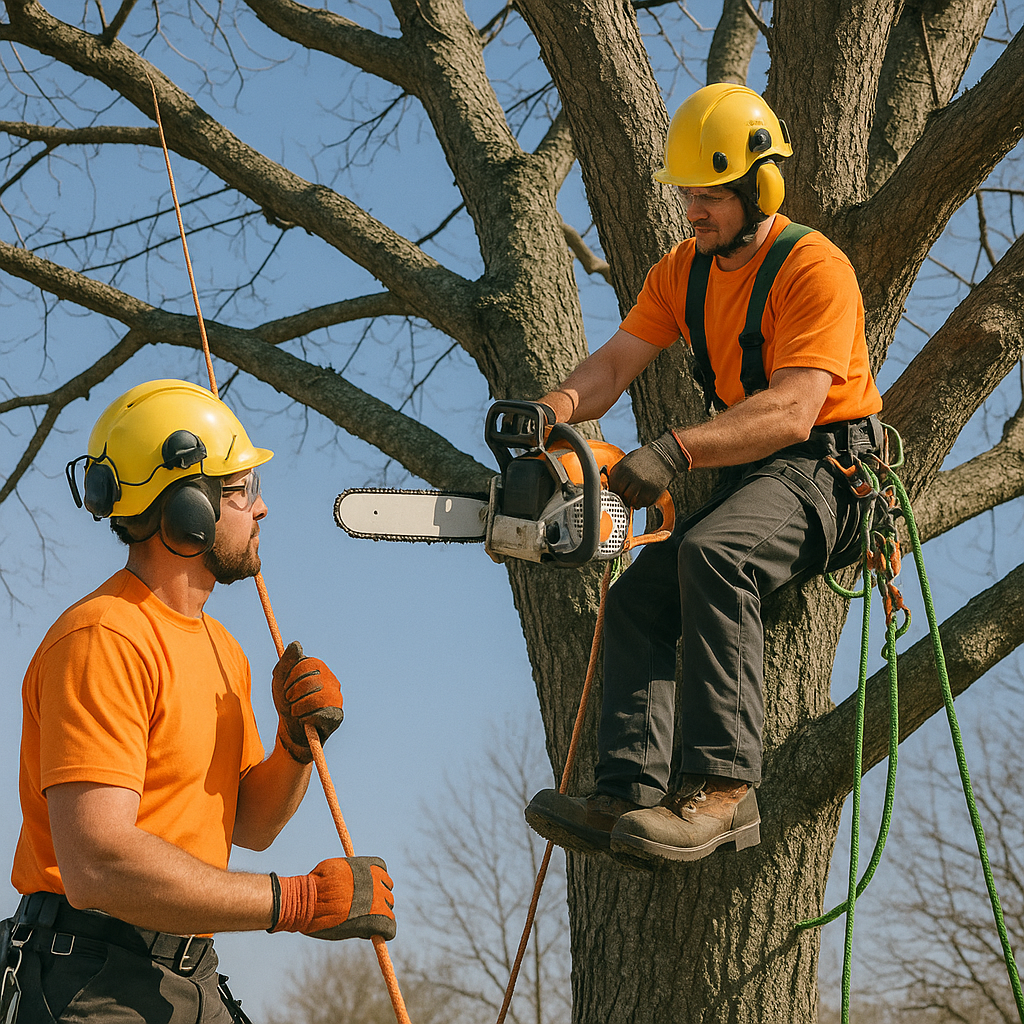
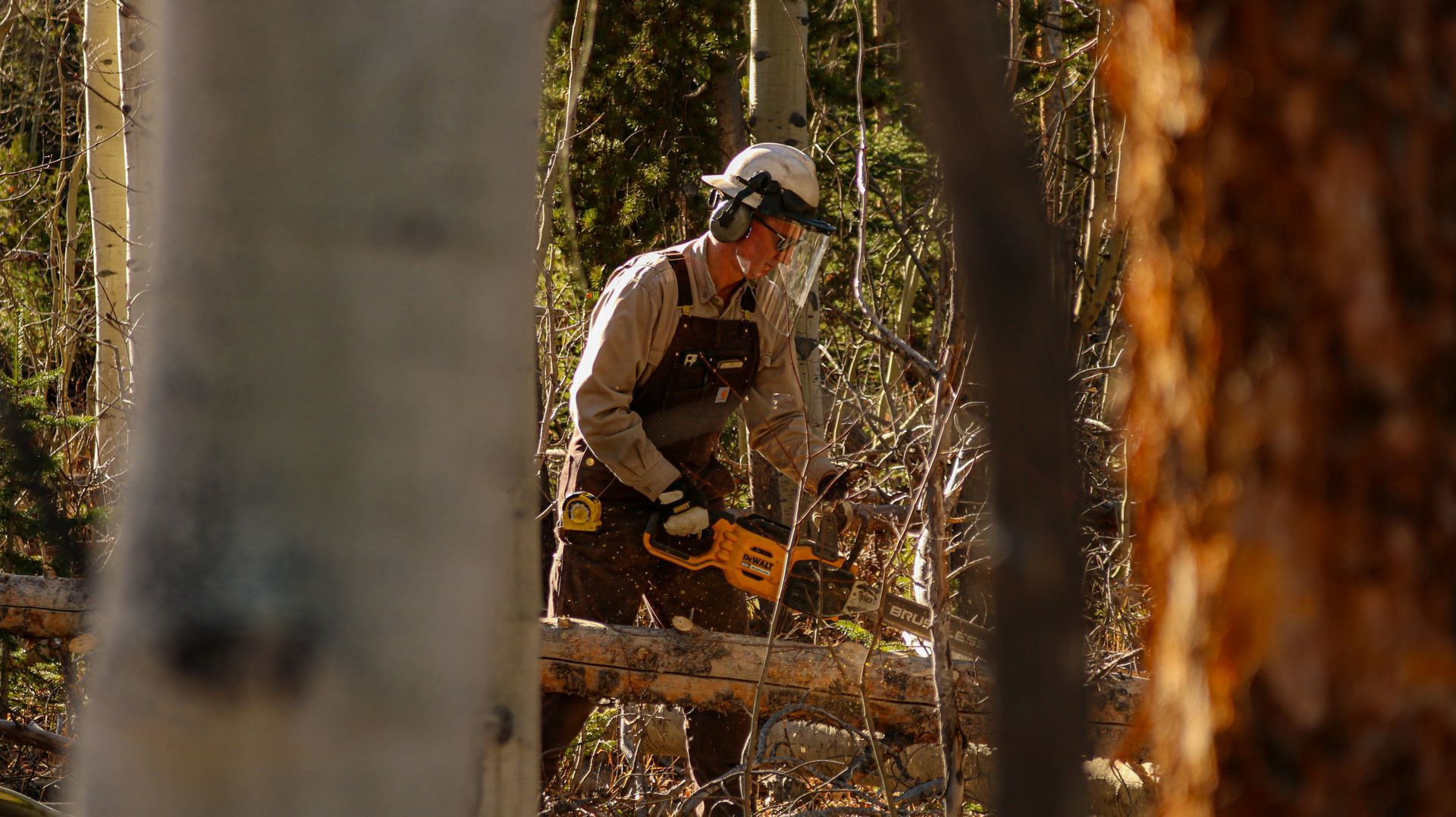
- ANSI-approved helmets with chin straps and face shields when needed
- Safety glasses or goggles rated for chainsaw and debris protection
- Cut-resistant pants, chaps, or full-body protection for chainsaw operators
- Safety harnesses, ropes, and climbing equipment that meet current industry standards
- First aid supplies, emergency communication devices, and established emergency procedures
- Traffic control equipment and procedures for work near roadways
Equipment quality and maintenance directly reflect a company's professionalism and commitment to safe, efficient work. Look for providers using well-maintained professional-grade chainsaws, hydraulic pruning tools, and appropriate machinery for different job sizes and access challenges.
Bucket trucks and aerial equipment should undergo regular inspections and maintenance according to manufacturer specifications. Climbing equipment, including ropes, saddles, and hardware, should be inspected regularly and replaced according to manufacturer recommendations.
Training programs for crew members demonstrate a company's commitment to both safety and quality workmanship. Ask about employee training requirements, safety record statistics, ongoing education programs, and how long crew members have been with the company.
Work site preparation and cleanup procedures are important indicators of professionalism and attention to detail. Quality companies take steps to protect surrounding plants, structures, hardscaping, and irrigation systems during tree work.
Evaluating Local Experience and Knowledge
Experience with Arizona's tree species, climate conditions, and local regulations sets quality providers apart from general contractors who may lack specialized knowledge. When researching potential companies, look for those with an established local presence and demonstrated expertise in desert tree care.
Companies serving specific areas like tree trimming in Peoria, AZ or tree removal in Surprise, AZ should understand local soil conditions, water restrictions, common pest problems, and tree species popular in those communities. This localized knowledge helps them provide more accurate diagnoses, appropriate treatment recommendations, and realistic timelines for different services.
Ask potential contractors specific questions about their experience with tree types on your property. Desert-adapted species require different care approaches than traditional landscape trees, and experienced providers should be able to explain these differences clearly.
Local weather patterns and seasonal conditions significantly affect tree care timing and techniques. Companies familiar with Arizona's monsoon season patterns, winter frost potential, extreme summer heat duration, and wind patterns can schedule work appropriately and provide advice on protective measures during severe weather events.
Community involvement and local references often indicate a company's commitment to the area they serve. Look for businesses that participate in community events, support local organizations, or maintain relationships with nurseries and landscape suppliers.
Getting Accurate Estimates and Proposals
Quality tree service companies provide detailed written estimates that clearly outline the scope of work, materials needed, timeline for completion, and all associated costs. When requesting estimates, provide as much specific information as possible about your needs, concerns, and expectations.
Comprehensive proposals should include:
- Detailed descriptions of work to be performed on each individual tree
- Specific pruning techniques, cuts, and methods to be used
- Disposal methods for debris and cleanup procedures
- Timeline for work completion, including weather contingencies
- Total cost breakdown including labor, equipment, and disposal fees
- Terms and conditions, including payment schedules and warranty information
Compare estimates carefully, looking beyond just the total price to evaluate the scope of services included, quality of materials specified, timeline for completion, and level of detail provided. Sometimes higher-priced proposals offer significantly better value through more comprehensive services or higher-quality workmanship.
Be particularly cautious of estimates that seem unusually low compared to others you've received. Quality tree work requires skilled labor, proper equipment, comprehensive insurance coverage, and safe disposal of debris, all of which have associated costs.
Payment terms should be reasonable and protect both parties involved. Avoid companies that demand full payment upfront or pressure you to sign contracts immediately. Reputable companies typically require minimal down payments and offer reasonable payment schedules based on work completion milestones.
Frequently Asked Questions
How often should trees be professionally trimmed in Arizona?
Most Arizona trees benefit from professional pruning every 2-3 years, though some species like palms may need annual maintenance. Timing depends on the specific tree type, age, health condition, and growth rate.
What's the best time of year for tree removal in Arizona?
Fall through early spring typically provides the best conditions for tree removal in Arizona. This timing avoids the extreme summer heat and allows for easier cleanup and replanting if desired.
Do I need permits for tree removal on my property?
Permit requirements vary significantly by city and tree species throughout Arizona. Many municipalities require permits for removing large trees, protected native species, or trees in historic districts.
How can I tell if my tree needs professional attention?
Warning signs include dead or hanging branches, unusual leaf discoloration, visible pest infestations, fungal growth, or structural damage from storms. Professional assessment is recommended when you notice significant changes in tree health or appearance.
What should I expect to pay for tree services in Arizona?
Costs vary significantly based on tree size, species, location accessibility, and services needed. Simple pruning may cost a few hundred dollars, while large tree removal can range into thousands, depending on complexity.
Final Thoughts
Selecting the right tree service company in Arizona requires thorough research and consideration of multiple factors beyond just price comparisons. Focus on finding professionals with proper credentials, extensive local experience, and comprehensive service offerings who understand the specific challenges of maintaining trees in desert environments. Taking time to verify qualifications, compare detailed proposals, check references, and evaluate safety standards helps ensure your trees receive proper care while protecting your property investment for years to come.
Ready to find professional tree care? Contact Trees West today for expert tree services throughout Arizona. Our certified arborists provide comprehensive tree care solutions tailored to your property's specific needs.
Reference:
https://wwv.isa-arbor.com/certification/index