Arizona Tree Care Tips for Maintaining Drought-Tolerant Trees
Living in Arizona means you get to enjoy sunshine year-round, but it also means your trees face some pretty tough conditions. The good news is that drought-tolerant trees that Arizona homeowners love can handle our desert climate beautifully when you know how to care for them properly. Whether you're new to desert living or just want to make sure your trees stay healthy and happy, understanding what these hardy plants need will help you create a gorgeous landscape that doesn't break the bank on water bills.
Key Takeaways
- Water smart, not hard - even drought-tolerant trees need the right watering approach, especially when they're getting settled
- Time your pruning right - knowing when to trim keeps your trees healthy and ready for Arizona's weather extremes
- Get the soil right - good soil prep and mulching give your trees the best start possible
- Keep an eye on things - regular check-ups help you catch and fix problems before they get serious
- Location matters - putting trees in the right spots saves you work and helps them thrive
- Know when to call the pros - some tree care jobs are better left to the experts
Understanding Drought-Tolerant Trees in Arizona
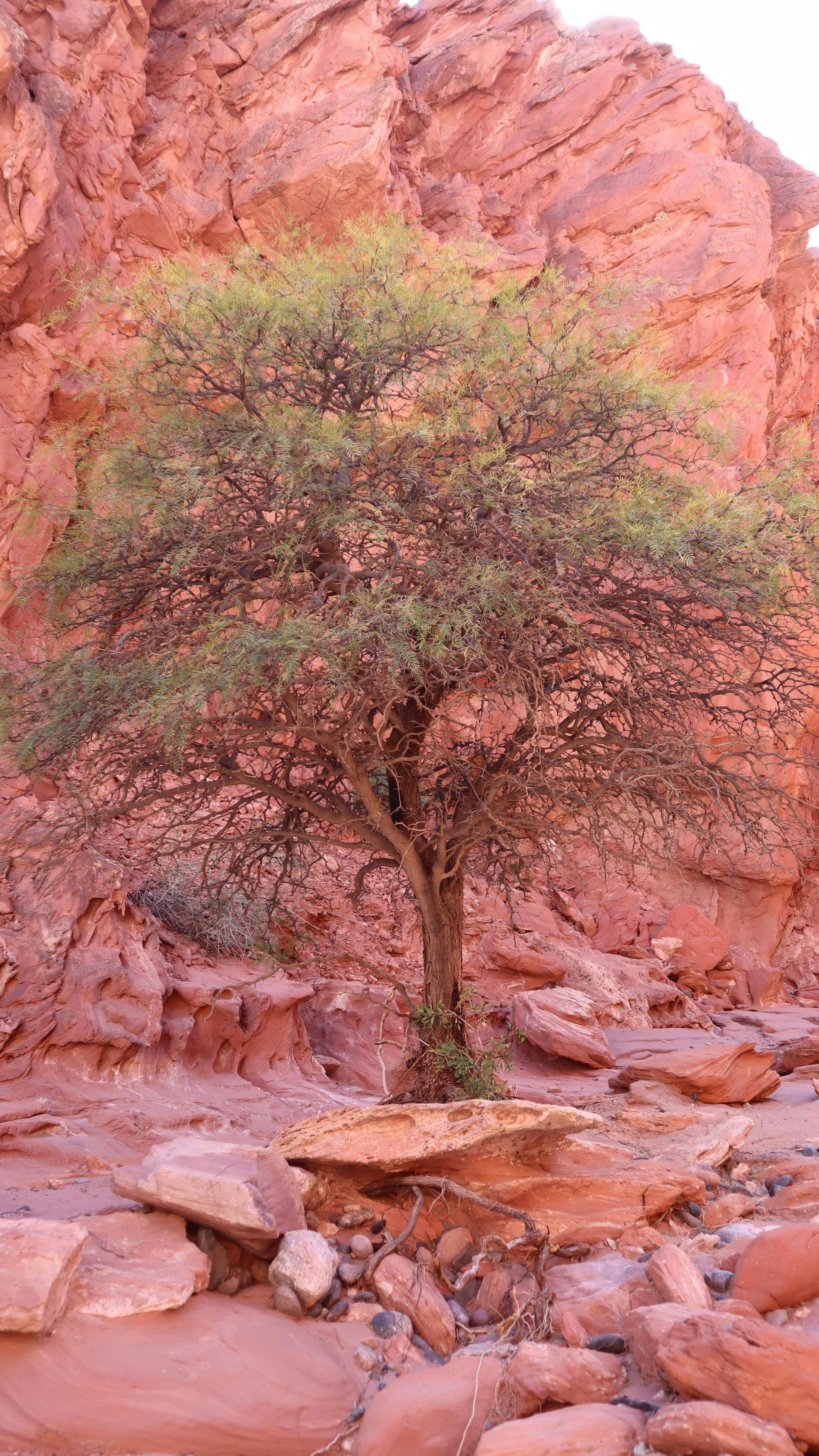
Arizona's trees have some pretty cool tricks for surviving in our dry climate. They've developed ways to find and hold onto water that would make any desert survival expert jealous. Some have deep roots that can reach water far underground, others have waxy leaves that don't let moisture escape, and some can actually store water in their trunks and branches.
Great Trees for Arizona Yards:
- Palo Verde - Our state tree with green bark that actually helps the tree make food
- Mesquite - These guys have roots that go incredibly deep and help improve soil
- Desert Willow - Pretty flowers that look like orchids but need way less water
- Texas Red Oak - Gives great shade without being a water hog
- Afghan Pine - Stays green year-round and laughs at our heat
Taking care of these trees works best when you work with their natural abilities instead of fighting against them. That's where good Arizona tree care comes in. If you're not sure what your trees need, western tree care professionals who know our local conditions can point you in the right direction.
Watering Strategies for Desert Trees
Here's something that surprises a lot of people: even drought-resistant trees that Arizona residents plant still need water, especially when they're young or when the weather gets really brutal. The trick is figuring out the when, how much, and how often.
How to Water Like a Pro:
- Less often, more thoroughly: Think of it like a good soaking rain rather than a quick sprinkle
- Early morning is best: Your trees get a drink before the day heats up
- Go slow and deep: This encourages roots to grow down where the soil stays moist longer
- About 1-2 inches weekly: During growing season, adjusted for any rain we actually get
When to Water Through the Year:
| Season | How Often | What to Remember |
|---|---|---|
| Spring | 2-3 times weekly | Trees are waking up and may need extra help |
| Summer | 3-4 times weekly | Bump it up when it's really hot |
| Fall | 1-2 times weekly | Start backing off as it cools down |
| Winter | Monthly if needed | Most trees take a break |
Young trees are like teenagers: they need more of everything, including water. For the first couple of years, you'll need to water more often while they get their root systems established. Once they're mature, most drought-tolerant trees only need extra water during those brutal summer stretches or when we haven't seen rain in forever.
Soil Preparation and Amendment Techniques
Arizona soil can be tough on trees. We've got that rock-hard caliche layer and soil that's often too alkaline for many plants. But don't worry: with a little work, you can create a great home for your desert landscaping trees.
Making Your Soil Tree-Friendly:
- Fix drainage problems by adding amendments or creating raised planting areas
- Adjust pH levels with sulfur or compost to make nutrients more available
- Add organic stuff like compost to improve how soil holds water and nutrients
- Break through caliche so roots can actually spread out
Why Mulch is Your Friend: Mulch is like a protective blanket for your trees and west landscapes. Wood chips, bark, or even gravel mulch helps keep moisture in the soil, keeps the ground from getting too hot or cold, stops weeds from taking over, and slowly adds good stuff to the soil as it breaks down. Spread it about 3-4 feet around your trees, but keep it about 6 inches away from the trunk so bugs and diseases don't set up shop.
If you're not sure what your soil needs, tree care pros can test it and tell you exactly what amendments will help your specific trees grow their best.
Pruning and Maintenance Schedules
Pruning might seem scary, but it's really just about helping your trees stay healthy, safe, and looking good. Arizona trees have their own preferences for when they like to be trimmed, and timing matters a lot here.
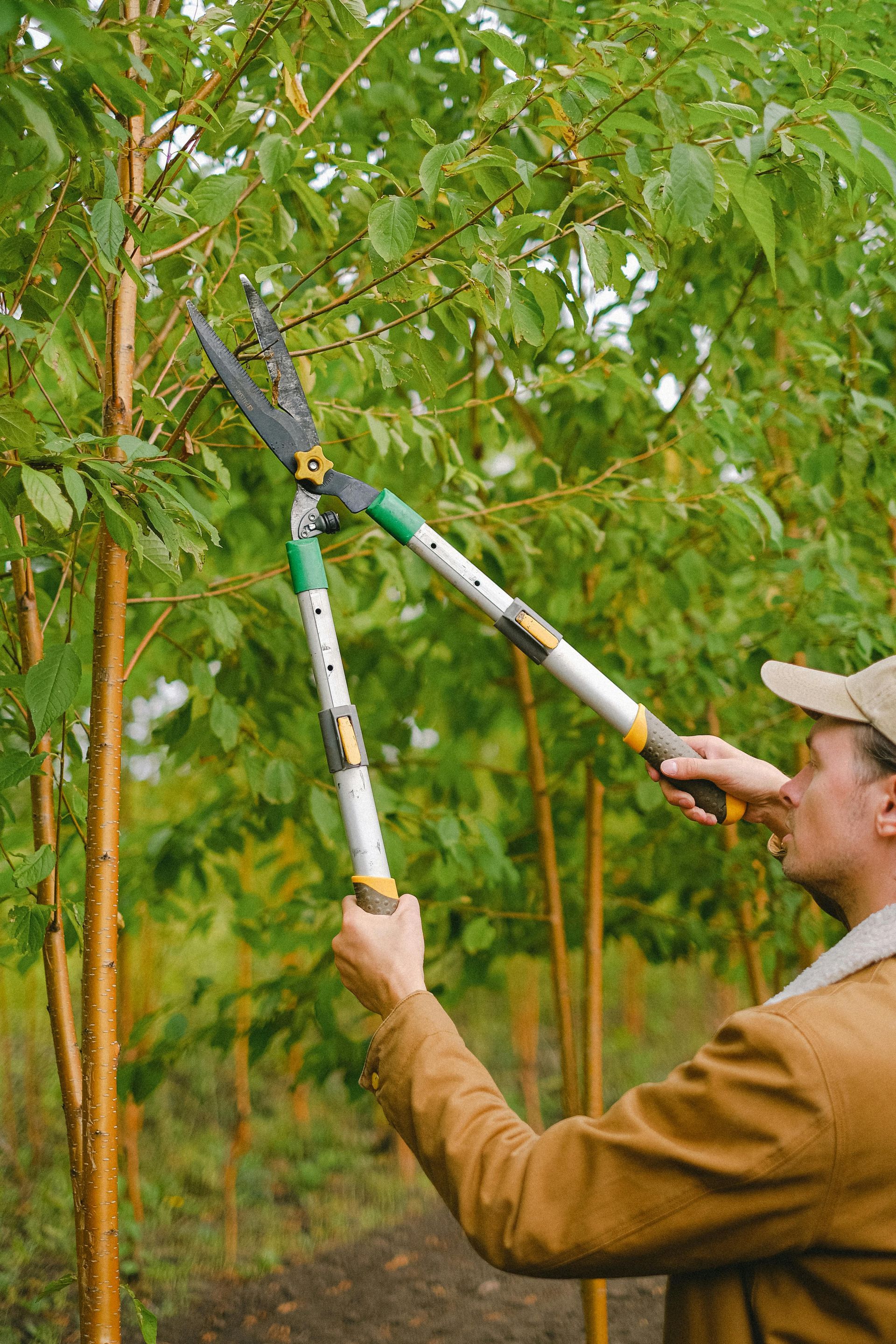
Best Times to Get Out the Pruning Shears:
- Late winter or early spring for most trees that drop their leaves
- Fall for shaping and getting rid of dead branches after summer stress
- Anytime for emergencies when branches are dangerous or damaged
How to Prune Without Hurting Your Trees:
- Shape young trees to grow strong from the start
- Thin out crowded branches so air and light can get through
- Remove dead wood before it attracts bugs or diseases
- Cut off suckers so the tree puts its energy where you want it
Don't do heavy pruning when it's really hot outside, as exposed bark can get sunburned just like you can. If you've got big branches or trees near your house or power lines, it's definitely time to call in professional help.
Pest and Disease Management
Arizona has its own set of tree troubles that you won't find in other parts of the country. The good news is that healthy trees can usually handle most problems on their own if you give them what they need.
Common Problems to Watch For:
- Borers that tunnel into stressed trees, especially during dry spells
- Scale insects that suck sap and weaken trees
- Root rot from soil that doesn't drain well or too much water
- Sunscald on bark that gets exposed by bad pruning
Keeping Problems Away: Prevention really is the best medicine when it comes to tree health. Keep your trees properly watered, mulched, and not stressed out, and they'll usually fight off problems on their own. When you do need to treat something, tree care specialists can suggest treatments that won't harm the good bugs or mess up the environment.
Check on your trees regularly: look for weird leaf drop, bark that's changing color, bugs you haven't seen before, or growth that doesn't look normal. Catching problems early makes them much easier and cheaper to fix.
Seasonal Care Calendar
Arizona tree care changes with the seasons, and knowing what to do when helps keep your trees happy all year long.
Spring Jobs (March-May):
- Check for winter damage and prune if needed
- Refresh the mulch around your trees
- Start adjusting your watering schedule
- Keep an eye out for bugs that are waking up
Summer Tasks (June-August):
- Keep up with regular deep watering
- Watch for signs your trees are too hot or stressed
- Skip any major pruning unless it's an emergency
- Consider shading young tree trunks if they're getting scorched
Fall To-Dos (September-November):
- Gradually cut back on watering
- Do structural pruning on trees that like fall trimming
- Add fertilizer if your soil test says you need it
- Get trees ready for winter weather
Winter Work (December-February):
- Water established trees very little
- Plan any landscape changes for spring
- Schedule tree health check-ups
- Clean up any storm debris quickly
Professional Tree Care Benefits
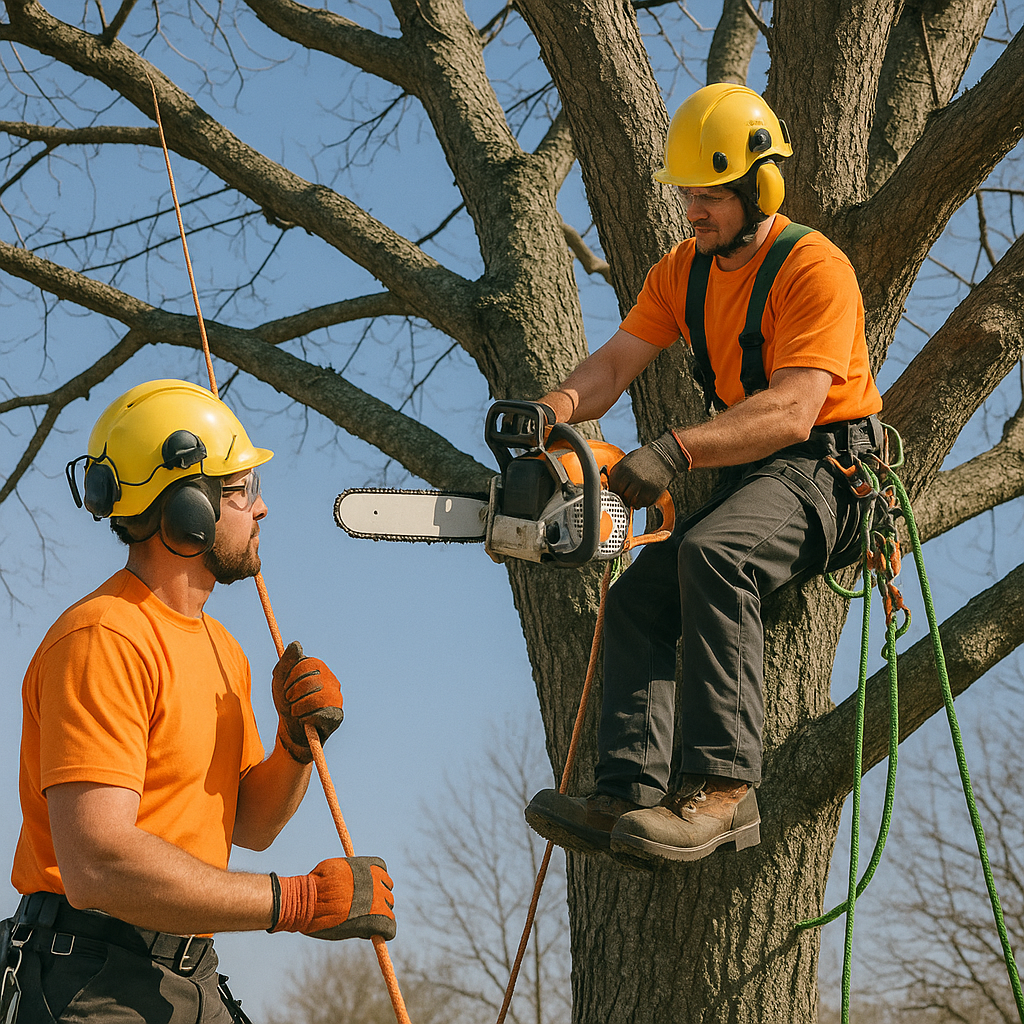
While you can handle a lot of tree care yourself, sometimes you need someone with the right training and equipment. Certified arborists know local conditions, understand what different tree species need, and have the safety training to work around big trees.
Times to Call the Pros:
- Big pruning jobs or tree removal
- Figuring out what disease your tree has
- Root problems or soil issues that are over your head
- Emergency cleanup after storms
- Checking if a tree might fall and damage your property
Many tree care companies offer maintenance programs that can save you time and make sure nothing gets forgotten. Often, this regular care costs less than fixing major problems later.
Frequently Asked Questions
How often should I water established drought-tolerant trees in Arizona?
Most established drought-tolerant trees do well with deep watering 1-2 times per week during the growing season, depending on rainfall and how hot it gets. In winter, you might only need to water once a month or when the soil gets really dry.
What is the best time of year to plant drought-resistant trees that Arizona residents should choose?
Fall through early spring is perfect for planting because the weather's not too harsh and winter rains help new trees get settled. Don't plant in summer unless you absolutely have to: the heat makes it much harder on new trees.
How can I tell if my drought-tolerant tree is getting too much or too little water?
Too much water shows up as yellow leaves, soft bark, and sometimes fungus growing around the base. Too little water means wilting, leaves dropping early, and brown, crispy edges on leaves starting from the tips.
Should I fertilize my desert landscaping trees regularly?
Most drought-tolerant trees don't need much fertilizer in Arizona since our soil already has lots of minerals. A yearly soil test can tell you if your trees need anything specific, but too much fertilizer can actually make trees less drought-tolerant.
What mulch works best for trees in Arizona desert climates?
Wood chips, bark mulch, or decomposed granite all work great here. Stay away from rubber mulch or anything that gets really hot, and always keep mulch about 6 inches away from tree trunks.
Final Thoughts
Taking care of trees in Arizona is all about working with what they're naturally good at while giving them the support they need to handle our tough climate. When you get the watering right, stay on top of seasonal maintenance, and know when to bring in professional help, drought-tolerant trees can give you decades of shade, beauty, and added value to your property. A little effort upfront pays off big time down the road, and you'll have trees that not only survive but actually love calling the Arizona desert home.
Need expert tree care in Arizona? The certified arborists at Trees West understand what your drought-tolerant trees need to thrive in our desert climate. Contact Trees West today for professional tree care tailored to Arizona's unique conditions.
Reference:
https://www.planetnatural.com/palo-verde-tree/